Weight loss: aim for 0.8–1g of protein per pound of goal bodyweight.
Muscle gain: 0.7–1g per pound of current bodyweight is enough for almost everyone.
Spread it across 3–4 meals instead of one big serving — it is easier to hit and easier to digest.
Why protein target matters more than people think
Protein is the one macro that directly protects muscle while you are losing fat, and directly builds it while you are gaining. Get it wrong and you either lose muscle you wanted to keep, or you plateau because you are under-eating without realizing it.
The actual numbers, by goal
Goal
Protein target
Example (150 lb / 68 kg)
Weight loss
0.8–1g / lb of goal weight
110–140g/day
Muscle gain
0.7–1g / lb of current weight
105–150g/day
Maintenance
0.6–0.8g / lb
90–120g/day
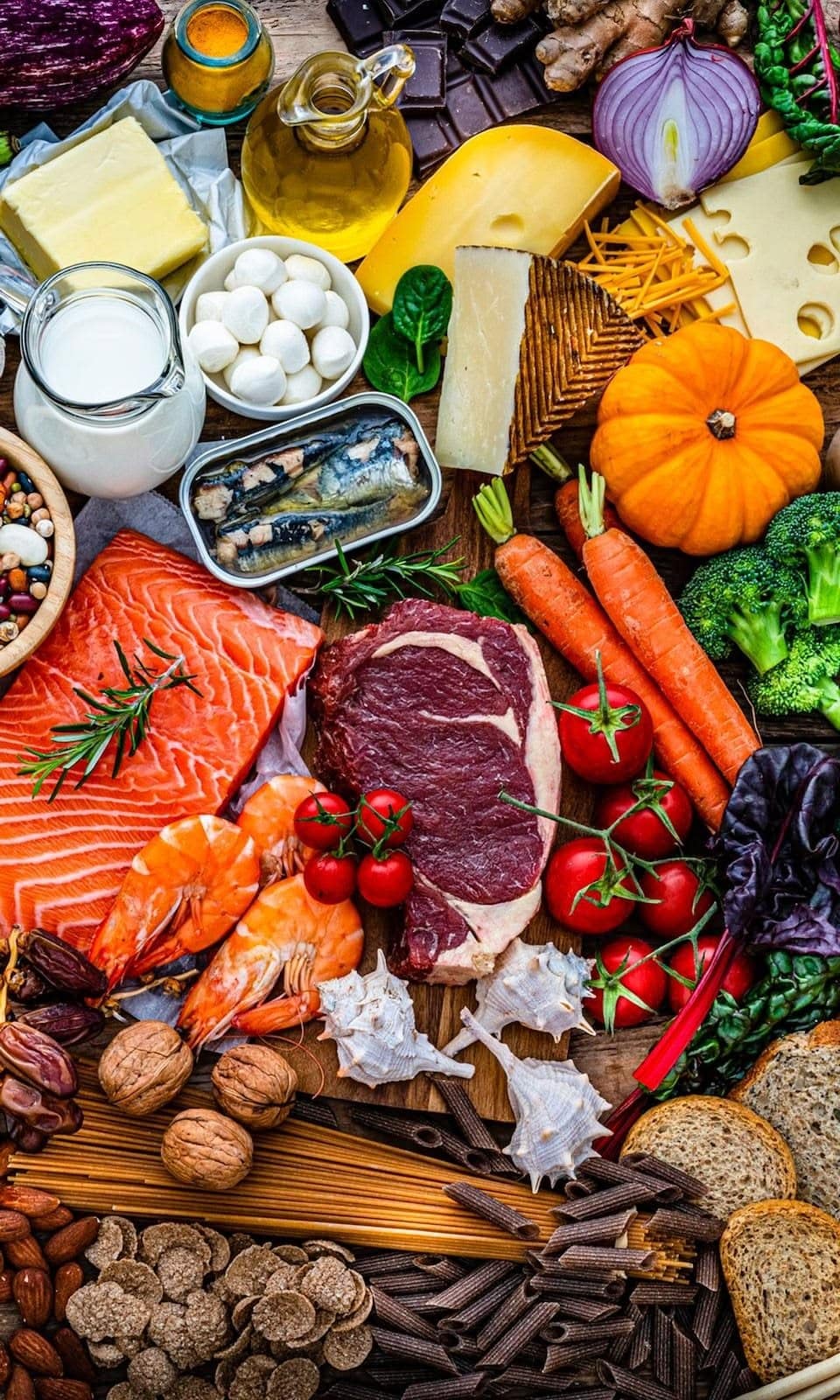
What it looks like in real food
3 whole eggs + 2 egg whites — about 24g
6 oz (170g) grilled chicken breast — about 48g
1 cup (225g) cottage cheese — about 25g
1 scoop whey protein — about 24g
6 oz (170g) salmon — about 40g
Common mistakes
Check yourself against these
Eating most of your protein at dinner and almost none at breakfast
Counting protein bars/shakes as "extra" instead of part of the daily total
Chasing a huge number (like 1g/lb of bodyweight when you are not lean) instead of the goal-weight target
Frequently asked questions
Is 1g of protein per pound of bodyweight necessary?
No. That number is a convenient ceiling, not a requirement. Most people do well between 0.7–1g per pound, and going higher shows diminishing returns unless you are in an aggressive calorie deficit.
Can you eat too much protein?
For healthy adults, high protein intake is not dangerous. The practical limit is usually appetite and food budget, not health risk.
Do I need protein powder to hit my target?
No — it is convenient, not required. Whole foods like chicken, eggs, Greek yogurt, and cottage cheese can cover most targets on their own.
Written by
ZavoFit Team — Nutrition & Training
The ZavoFit team writes and tests every recipe and guide published here.